
AERTIST SPOTLIGHT: Quiet Man
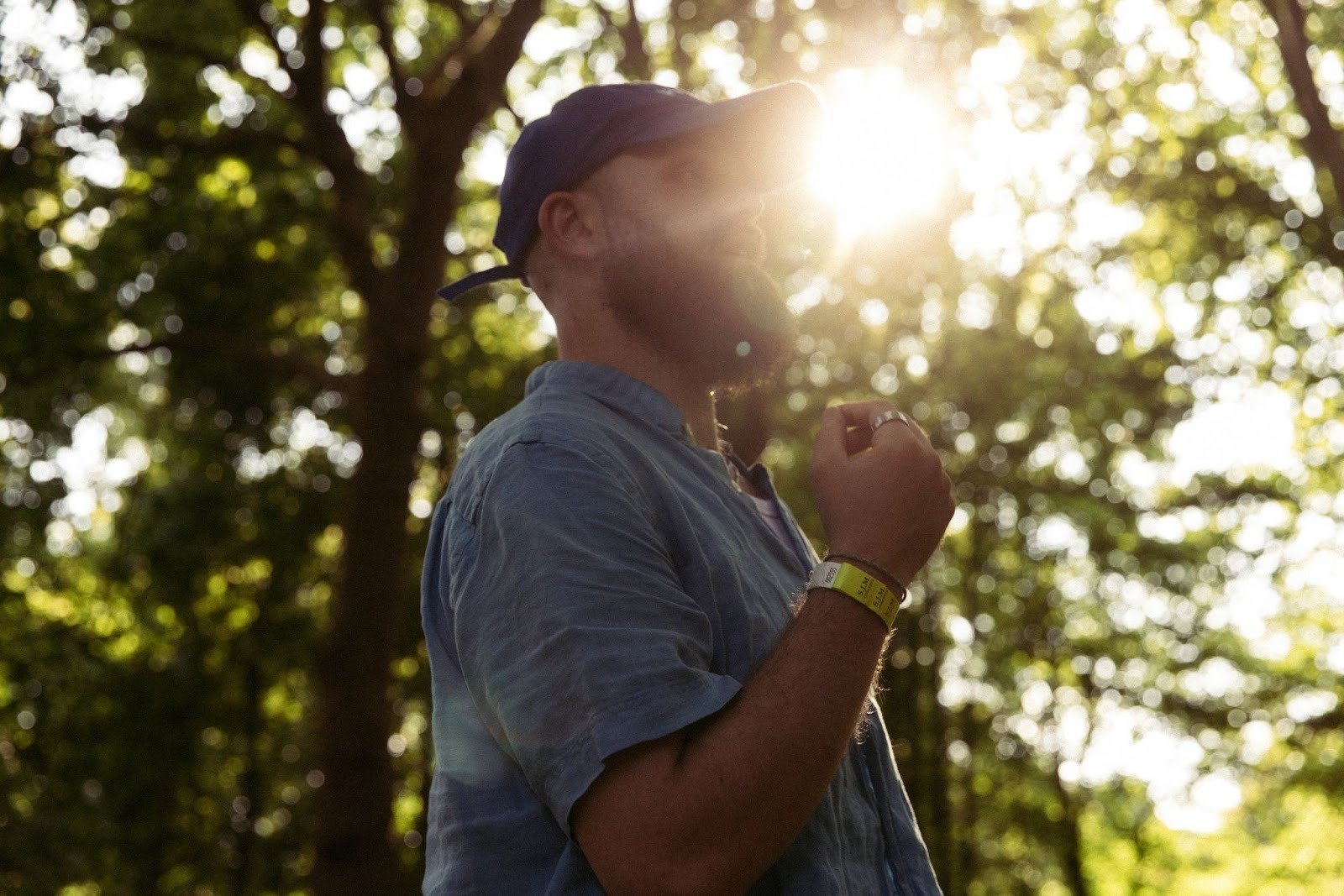
Quiet Man pairs Treading Water and Closer To The Edge as twin emotional worlds shaped by family memories upheaval and that free Gumtree piano. BBC Introducing support festival slots with Pitchfork Live at Leeds and SWN and early days with Fred Gibson and Henry Counsell fuel his raw intimate sound and playful self doubt.
1. What inspired you to release Treading Water and Closer To The Edge as a pair, and how do they speak to each other emotionally?
Subject matter aside, I do think they belong in the same emotional world. Sadness wrapped up in hopeful chords and a sense of pushing forward through things.
2. Treading Water feels like a gentle letter to your younger self. What moment or memory pushed you to write something so personal?
I’d been thinking a lot about how me and my siblings grew up; what we were exposed to and how that must have shaped who we are now, in many ways. It felt a bit too self-indulgent at times when I was writing it, but I’m glad I carried on and finished it anyway.
3. Closer To The Edge was created during a time of upheaval. How did that chaos shape the sound and spirit of the track?
In every possible way. It’s essentially just a plea for life between loved ones. It’s almost not appropriate to be written at all, but at the time I couldn’t really process some things that were going on in my life and so I’d often found myself at the piano, making sense of things in that way.
4. Your sound is beautifully stripped back, often just you and that free Gumtree piano. What made you fall in love with keeping things so raw?
Thank you! I think I’ve always loved the songs that are saddest and most simple. On any album I find myself drawn to the most intimate and delicate moments. To me, it’s the ultimate example of music. Nothing to hide behind or style out in any way. Just the skeleton instrumentation and the song itself. If something can live and breathe in that make-up then it must be powerful.
5. You grew up on classical music, jazz, and Paul Simon. Which of those influences sneaks into your songwriting the most?
I’d say all of them. Classical is the one I hide from the most out of insecurity but then constantly remind myself to love and re-introduce into everything. Jazz is just what I really wish I could do. Like just be some marlboro red-smoking Bill Evans keys player with that elusive feel coursing through my brain. And then Paul Simon’s “Still Crazy After All These Years” is maybe the most perfect album of all time, to me. So that is just the benchmark of what I will always aim to achieve.
6. You were nominated for BBC Introducing Scottish Act of the Year and supported by BBC teams in Scotland and London. How did that support impact your confidence as an artist?
Hugely. To have moved our lives - my wife and I - from London to Glasgow 3 years ago and then be included in this world alongside the incredible artists who define it is massive to me.
7. You have been invited to play Pitchfork, Live at Leeds, and SWN Festival. Which performance taught you something you still carry with you?
Turns out I remember more French than I thought!
8. You sold out your first headline show in Glasgow. What surprised you most about seeing a room full of people singing your words back at you?
Just that people wanted to be there to listen to what we were doing. We worked hard to bring that show to a new and exciting place so I’m just happy people were there to witness that.
9. Listeners often connect you to artists like Bon Iver, Olivia Dean, and Tom Odell. Do those comparisons feel accurate or do they make you smile in disbelief?
I strive to make beautiful music and for the artists I love and respect to maybe one day enjoy listening to it too.
10. Your first band included Fred Gibson of Fred again.. and Henry Counsell of Joy Anonymous. What did those early days teach you about collaboration?
Less band, more songwriting collective. Being a part of something so pure and alive at that time massively informed how I still think about being an artist. They really are the most talented and kind homies and I’m honoured to call them my great friends.
11. Your music has appeared on New Music Friday UK and other major editorial playlists. Do moments like that change the way you release new songs?
I think all of that is such a murky world. There’s no merit to being on any list more than there is making music in your room that makes you feel like a superhuman. I’m grateful mostly to be on things that put my music beside some of the other artists, writers and producers that I most admire. That is and will always be an honour.
12. Your writing is incredibly vulnerable and honest. How do you find the confidence to turn private thoughts into public art?
Don’t overthink it. I just find myself writing about what I’m writing about and that’s what it is. I feel comfortable in those spaces both in my life and in my creativity and I invite people to come join me there.
13. What part of your creative process would surprise people the most, especially given how intimate your songs feel?
How hard I work to try to achieve that. How complex it can sometimes be to arrive at the simplest version of things. I am 100% annoying to work with creatively and I am 100% ok with that as long as we arrive at the place I think the music deserves to live. I take this all way too seriously and sometimes that looks a little ugly or unflattering.
14. You have had support from Record of the Day, The Skinny, and Ones to Watch. How does it feel to see your story being picked up across so many platforms?
Awesome. I’m just constantly really gassed to be involved in all this in every way.
15. If your Gumtree piano could talk, what secret would it spill about your journey so far?
“85% of what this guy’s making is absolute traaaaaash!”