Artist Spotlight: Admiral Jerry
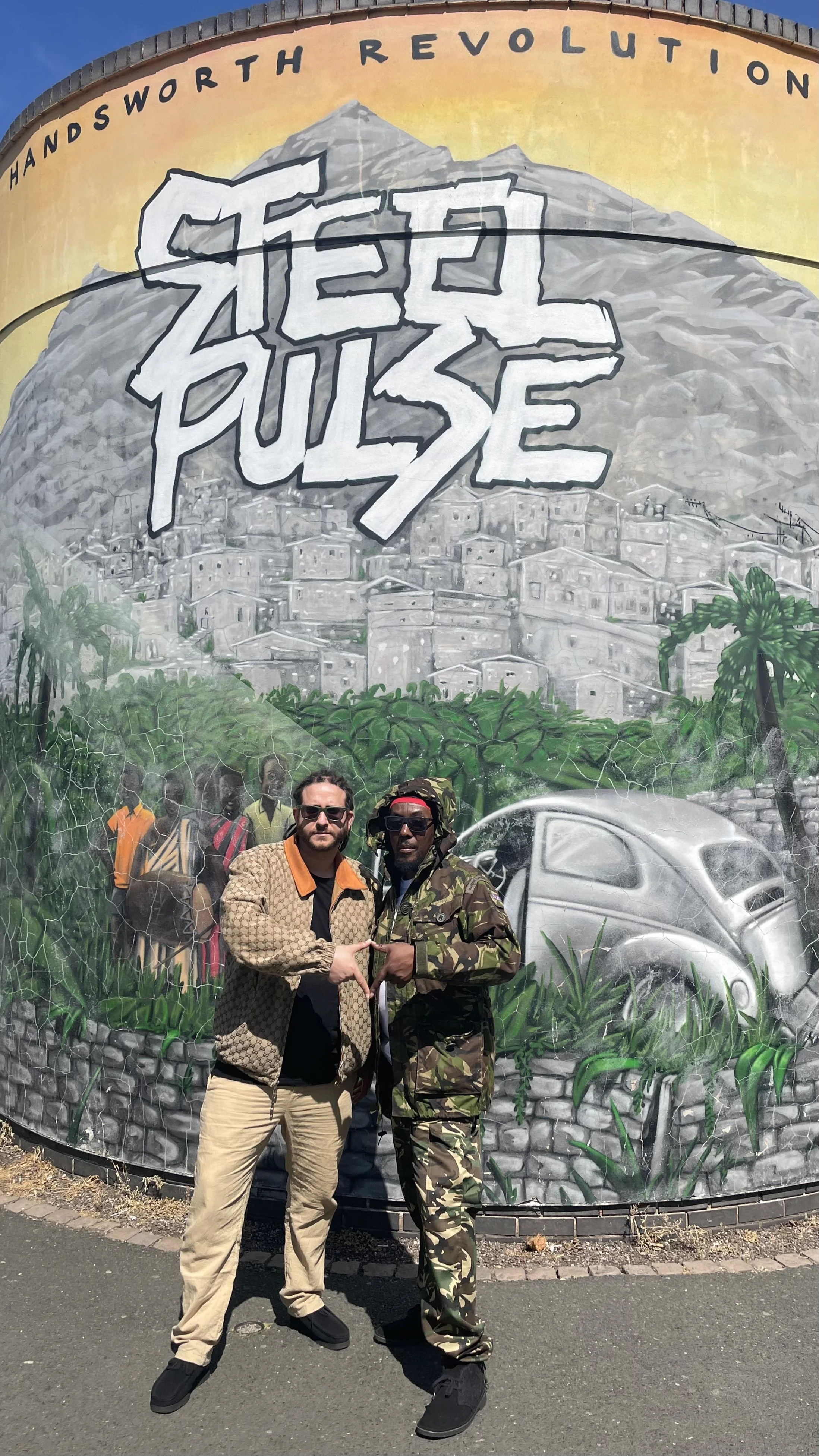
Handsworth reggae pioneer Admiral Jerry has spent decades giving a voice to Birmingham's reggae scene. After working with UB40 in the 1980s, he returns with Chant Down Babylon, a powerful anthem inspired by the Windrush generation and Benjamin Zephaniah. We caught up with the storyteller behind the music to talk legacy, sound system culture and what comes next.
1. For people discovering your music for the first time, who is Admiral Jerry and what’s your story?
Admiral Jerry is a story teller that draws on the struggles of inner city life and the experience of being of Jamaican heritage here in the UK with a dancehall style.
2. You grew up in Handsworth, Birmingham, a place with a rich reggae and sound system heritage. How did that environment shape you as an artist?
Handsworth is central to my very being. A militant ghetto rich, in Rasta culture and roots music that made me view the world from a position of tribulation and suffering as well as instilling in me the love of music.
3. You worked with UB40 back in the 1980s. What are some of your favourite memories from that time?
Working with UB40 was born out of being on Stereo Classic sound system with Daddy Stones and members of the band coming to a blues party. From the studio sessions to being on tour was a learning experience and something I cherish to this very day.
4. Your latest single, Chant Down Babylon, has a powerful message. What inspired you to write it?
Chant Down Babylon was written for a Black History event and I wanted to express the pressures of life inna Babylon, especially for the youths of today that don't feel there is a future for them.
5. You released the video on Windrush Day. Why was that the perfect moment to share this project with the world?
The riddim is called Windrush Riddim courtesy of Farda Dice Studios in Birmingham and is truly a raising of the issues that the Windrush generation faced and still face.
6. The song touches on struggle, hope and perseverance. What do you hope listeners take away from it?
If this song resonates with you it is because you have faced oppression and hatred in your life. If it can bring inspiration to anyone to continue the fight against the odds then me Give Thanks.
7. You’ve spoken about facing racism growing up as a first-generation Black Briton. How have those experiences influenced your music and outlook on life?
I am unique in the fact that as a Ghetto youth I had a good education from Grammer school to Private school amongst the more elite in society. I soon realised that I didn't belong and that I wouldn't be accepted and I wasn't the type to just put up and shut up. Through music and lifestyle choices I stay true to myself , undiluted, rebellious and Black. Selah
8. The video features the mural of Benjamin Zephaniah in Handsworth Park. What does his legacy mean to you?
Benjamin Zephaniah is a testament to Handsworth and the Windrush generation. His poetry gave a voice to Black people through the decades and put Rasta literature into mainstream publication when Patois was a foreign language.
9. This year’s Black History Month theme is “Standing Firm in Power and Pride.” How does that message connect with your own journey and the themes in Chant Down Babylon?
As a proud black man "Standing Firm in Power and Pride' encapsulates all that Chant Down Babylon is about as we have to rise up in the face of adversity wherever your from and whatever circumstances you find yourself in.
10. Reggae has always been about more than just music. Why do you think it remains such a powerful tool for telling stories and inspiring change?
Reggae is and has always been revolutionary music that wakes up the spirit and touches hearts and minds. Reggae remains the political platform to air discontent and prejudice around the world and long may it continue.
11. Sound system culture has played a huge role in your career. What do you miss most about the early days, and what excites you about today’s scene?
Sound system culture is the foundation of the Reggae community. For me the days of stringing up the sound chatting on the mic and getting crowd reaction was the sweetest part of my youthood. We didn't realise back then what a special and meaningful movement it was but over the decades it has become a worldwide phenomenon for us to be truly proud of.
12. Your music blends old-school style with timeless messages. How do you stay authentic while still connecting with younger audiences?
I stick to what I know and keep the original style of writing lyrics and riding riddims without trying to be inventive with elaborate flows to confuse or distract from the message. If I have something to say I want you to hear it and overstand it in a simple and straight forward fashion.
13. If you could give one piece of advice to young artists trying to make their mark, what would it be?
Nowadays artists have taken the Mcing to a new level of complexity with tongue twisters and slang all of their own incorporating all kind of modern issues. My advice would be to just stay true to what you believe in and do it for the love and not the likes.
14. You’ve hinted at more music coming in 2027. What can fans expect from this next chapter?
2027 looks set to be revival of old school commentary and riddims to bring back that type of dancehall excitement that I grew up on.
15. Looking back on everything you’ve achieved so far, what keeps you motivated to keep creating music and sharing your message with the next generation?
Controversy and humour will be the name of the game as tribulation and injustice continues to inspire me to bring lyrics to a new generation of dancehall fans everywhere.