Artist Spotlight: Death Dance Music
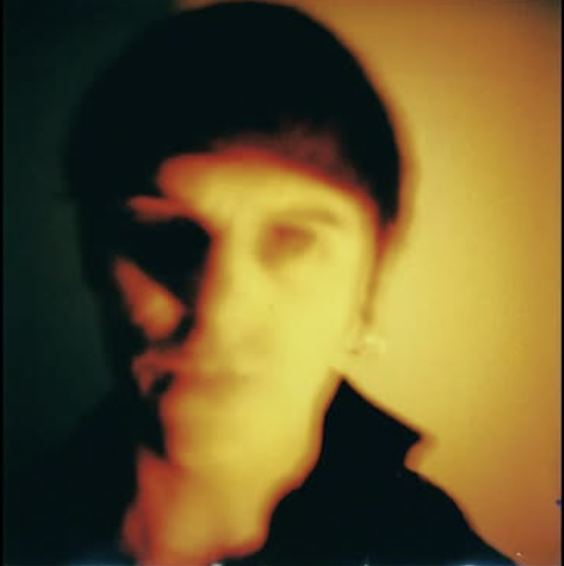
New York based Death Dance Music blends tape loops, distorted grooves, and poetic intensity shaped by sharing stages with Philip Glass and Laurie Anderson. Raised on MF DOOM and Wu Tang Clan yet drawn to Leonard Cohen, the project turns ghosts, dance, and existential humor into immersive sound today everywhere.
1.You are based in New York and have worked with artists like Philip Glass, Laurie Anderson, Lias Saoudi and Stella Rose. How have those collaborations shaped the way you approach making music today? I wouldn’t describe those as direct collaborations. I’ve shared the stage with them. Those shows had a strong energy and that’s something I carry into what I do now.
1. Your influences range from MF DOOM and Wu Tang Clan to Leonard Cohen, Throbbing Gristle and The Caretaker. What is it about such different artists that connects with you creatively? I grew up on Staten Island and South Brooklyn in the mid to late ’90s, so MF DOOM and Wu-Tang were everywhere, especially in South Brooklyn and SI. Everyone in middle and high school had a Wu-Tang hoodie, and most local kids probably questioned your sanity if you didn’t have 36 Chambers in your CD case. Leonard Cohen and Throbbing Gristle came later, in my teenage years All of these artists have been huge inspirations from production and words to beats and emotion. I’m drawn to different sounds and love cross-pollinating genres. It’s really about exploring and blending ideas that excite me creatively.
2. You have talked about always searching for new ways to express the sounds in your head, sometimes even building instruments or working with tape loops. What does your creative process usually look like when starting a new track? The creative process is different every time. Sometimes a track starts with a tape loop, a synth sound, or a melody or lyrics—it really depends. Each of these tracks came together in different ways. For example, Judas was created from a tape loop that I sang over, with drums and synths added later. I enjoy writing over looping parts: I’ll create a sequence, loop it, and sing some lyrics to see what unfolds. Making tape loops is one of my favorite parts—it’s really fun and surprisingly meditative once you get the hang of it!
3. Your new EP Ghosts You Know EP arrives March 23 via Uncensored New York. What was the starting point or idea that inspired this project?
The starting point was wanting to put out more music. I recently moved to a rural area , giving myself a fresh start in life. Being away from the constant distractions of the city where I’d lived my whole life allowed me to focus. The woods, in particular, have helped me hone my craft and approach music with a new perspective, bringing fresh and sometimes weird ideas to the table.
4. The opening single Ghost You Know builds from off kilter drums and spectral vocals into a big distorted chorus. How did that track come together in the studio? Most of my songs start as demos before being brought into the studio. The live drums on this track were all played by me, and I love experimenting with ring mods and distorted drum sounds! The studio I worked in had an amazing ring mod pedal, which was used throughout the track to give it a unique sound.
5. The song Kill Me runs on a strong bassline and the repeated lyric “come and kill me.” What story or emotional space were you exploring with that track? “Kill Me” came about from co-running Uncensored New York and hearing countless stories from musicians who received death threats from anonymous troll accounts or private phone calls, often as a result of call-out culture. It’s wild how people obsess over and participate in someone else’s interpersonal conflicts, all while being in the early stages of WWIII.
6. Shadows brings in a funk influenced groove before moving into darker synth textures. What inspired that mix of rhythm and atmosphere? Funky basslines have always been a huge inspiration for me. For this track, I drew a lot from Iggy Pop’s The Idiot especially the synths and bass lines. The distorted, cold synths in the pre-chorus and chorus specifically influenced the darker, atmospheric textures, while the groove was shaped by that underlying dark punk funk energy.”
7. The closing track Judas carries a message about collective momentum and shared resistance. Why did you want to end the EP with that kind of statement? It might seem like it’s about collective momentum or shared resistance, but that wasn’t the intention at all. It was written from a purely nihilistic standpoint. It’s not about bringing anyone together for anything. For me, it’s about not being shocked personally by anything—doesn’t matter what anyone says or what the world throws at you. The news, the chaos, the world, what’s next? You gonna show me something new?
8. The title Ghosts You Know EP suggests something familiar but haunting. What do those “ghosts” represent for you personally or creatively? The title Ghosts You Know EP suggests something familiar but haunting. For me, those “ghosts” represent my past life in New York’s social and party scenes. After getting clean and sober a few years ago, I left that world behind, so the ghost is really the shadow of my former, drug and alcohol-filled life.
9. Your music often moves between tension and release. Do you think about emotional storytelling when arranging your songs? Most things I do require my full attention and emotion. Each song is a fragmented story, meant to be open to interpretation by the listener. I focus on letting the music guide the emotion rather than forcing a narrative all the time. It’s about creating moments that resonate.
10. Your live shows are often described as visceral and immersive. What do you want people to feel when they experience Death Dance Music in a live setting? If anything, I want people to be fully in the moment with us, get off your phone and just dance. When I perform, I tend to completely dissociate, and it’s an incredible feeling. I think it’s the closest I’ll get to a spiritual experience outside of meditation and reading Lao Tzu ha!
11. Being part of the New York music scene, how has living in New York City influenced your sound or perspective as an artist
I often feel alienated from the city I was born and raised in. The music scene has turned into a nightmarish mix of social climbing and extreme politics. If artists or writers aren’t trying to shock, they’re terrified of being canceled. All of this fuels my creativity and inspires the nihilistic lyrics in my songs. It’s TikTok hell, not Walk on the Wild Side.
12. Across this EP there is a balance between light and darkness. Is that contrast something you naturally gravitate toward when writing? Leonard Cohen. There is a crack in everything, that’s how the light gets in.
13. Looking back at the making of Ghosts You Know EP, was there a moment in the process that really defined the direction of the project? I try not to look back too much, but I guess it had to be the moment I finally took the demos into a proper studio. I don’t come from a lot of money and I’m not on a label, so it takes a minute to afford these things. The defining moment was definitely getting into the studio and hearing the tracks come to life through a proper system.
14. As your music continues to evolve, what kinds of sounds or ideas are you most excited to explore next with Death Dance Music? I’m excited to explore more world instruments and sounds, blending acoustic and electronic elements. I love experimenting with the intersection of Dance, folk, world, and electronica and seeing how these different textures and rhythms can come together in new ways.