ARTIST SPOTLIGHT: PARIS RABONE
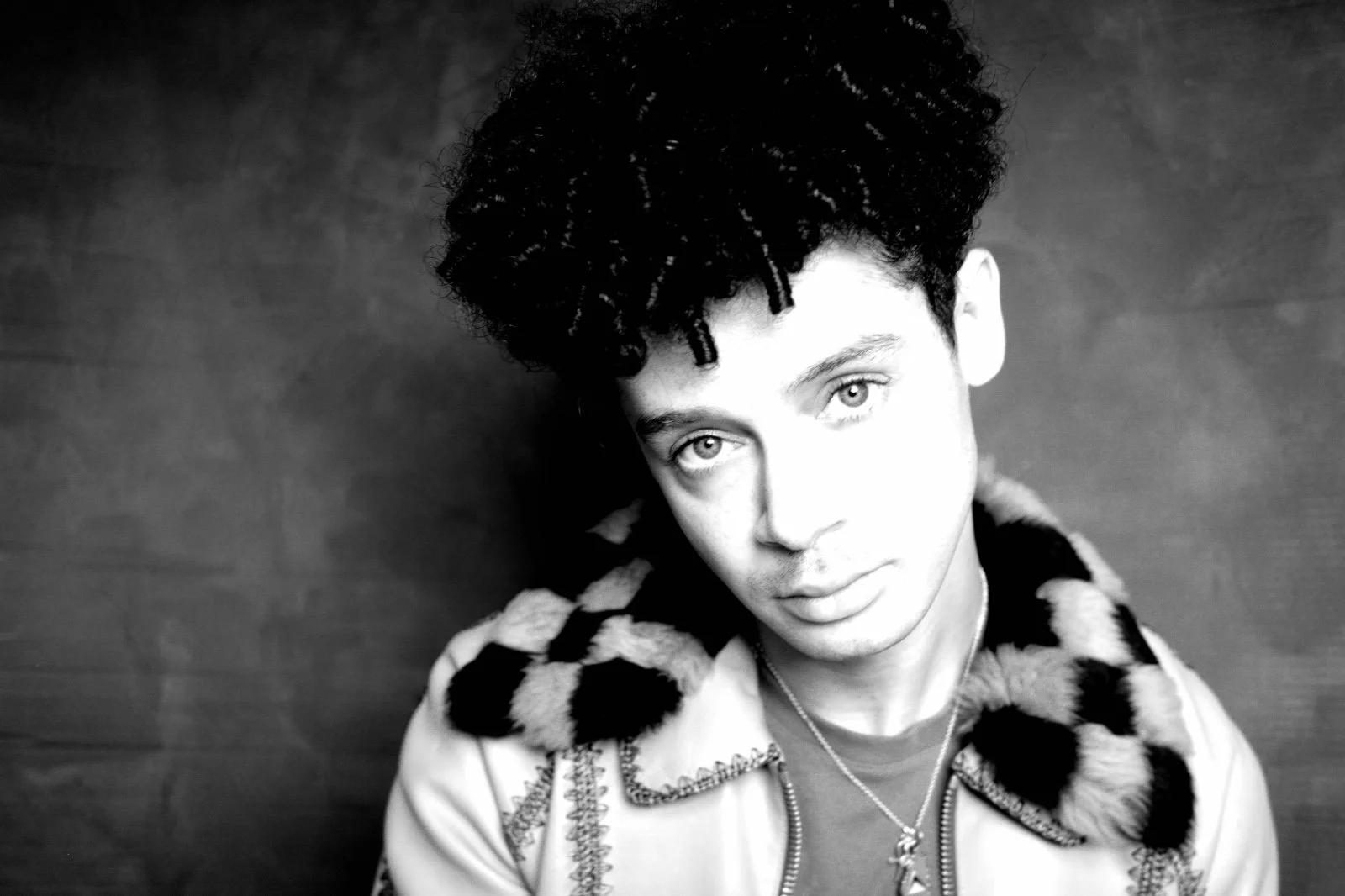
London artist producer Paris Rabone introduces himself with Marrow a soulful jazz leaning debut already backed by BBC Radio 6 tastemakers Gilles Peterson and Lauren Laverne. Mentored and cosigned by Erykah Badu Rabone blends soul R and B and experimentation into music that feels intimate fearless and ready to bloom.
1. Marrow is your official debut single — why did this song feel like the right introduction to Paris Rabone as an artist?
‘Marrow’ encompasses so many musical elements that are important to me. Jazz. Experimentation. Soul. There’s a Hip-Hop influence in some of the drum grooves.
But on an emotional level, it reflects where I was at the time, without trying to polish or dilute that feeling. That felt like the right place to begin.
2. You wrote Marrow during a period of personal transition. How did themes of growth, grief, and self-acceptance shape the final song?
Hugely. Writing the song was a way I processed those emotions. I was trying to express those feelings in the chords and melodies. The words sort of poured out of me.
3. You’ve described Marrow as “a realisation that hits deeper than the surface.” What truth were you finally ready to admit when writing it?
That something meaningful had ended - and that accepting that truth was part of moving forward. The song is about letting go, even when you’re not quite ready to.
4. As both the artist and producer on Marrow, how did you approach creating its warm, intimate sound?
Thank you! The chords were a big part.. I tried to be patient when writing them, and let them breathe. Also with layering. Layering the production and grooves were a big part of the process. Combining live drums with programmed ones.. layering the saxophones on top of each other and playing with their pitches. My wonderful friends David Davis and Matthew Herd came through and breathed new life into the arrangements.
5. The track blends soul, jazz, and alternative R&B, with soft harmonies contrasted by dissonant jazz saxophone — what does that tension represent emotionally?
It represents how chaotic separations can feel. That’s what I was trying to convey.
How complicated and conflicting it can be; knowing you have to move on, but how scary newness can feel at times.
6. London has a rich history of genre-blending music. How has being a London-based artist influenced your sound and perspective?
In a big way.. I think Londoners aren’t afraid to dive in and make music that leans left. There’s a real openness to music that doesn’t sit neatly in one place. That has definitely shaped how I approach sound and genre.
7. You’ve cited influences ranging from Erykah Badu and Solange to Sun Ra and Alice Coltrane. How do those artists show up in your music?
These artists march to the beat of their own drum. That’s what I find most inspiring about them, Aaliyah too. They follow their own artistic voice and vision. That’s how I want to approach my own work.
8. You were mentored by Erykah Badu and opened for her at the Royal Festival Hall in 2022 — what did that moment teach you about stepping into your own voice?
To show up fully as myself. I told her I was nervous just before I went on and she said “you don’t have anything to prove”. That was the most beautiful reminder to not shrink.
9. Erykah Badu recently co-signed you on Amazon Music’s +44 as an emerging UK artist. What did that recognition mean to you at this stage of your career?
I was blown away honestly. She’s my hero - and a huge reason I even make music. So to know she’s looking out for me and what I share means the world to me.
10. Your early demos received support from Gilles Peterson and Lauren Laverne on BBC Radio 6 before your official debut — how did it feel hearing that response so early on?
It was unexpected and really encouraging. I’ve listened to both of their shows for years, so to have them respond so positively early on really pushed me to keep going.
11. You’ve mentioned a love for 60s and 70s vocal groups like The Marvelettes. What draws you to that era of harmony-led music?
I nerd out about that time. I love the vocal approach, it’s so organic and honest. The vocalists sound so unique - Wanda Rogers of The Marvelettes for example - I’ve never heard a tone like that. I also adore the background vocal arrangements: the ooos and ahhs and woohs.
12. Marrow feels deeply introspective yet universal. How do you balance personal storytelling with creating space for listeners’ own experiences?
I love lyrics that leave space.. that are a genuine expression of how I feel, but open enough that listeners can bring their own meaning to them.
13. You’ve described this release as the first chapter of a wider sonic and visual world. What can listeners expect from that world moving forward?
‘Marrow’ is the first release of a larger, conceptual project coming in the spring. More emotion and playful experimentation.
14. With more music and visuals arriving in early 2026, how do you feel your artistry is evolving beyond Marrow?
‘Marrow’ opens the door, the songs that follow continue that story. I want to continue to build on that with more experimentation and honest expression.. for the world in the music to continue to expand and deepen.
15. Marrow is now available on all major streaming platforms — what does it feel like to finally share this deeply personal song with the world?
I’m excited. It’s also a little overwhelming, in a good way. It’s a shift for me.. from making music in my bedroom, to now it being out in the world.