Artist Spotlight: Great Adamz
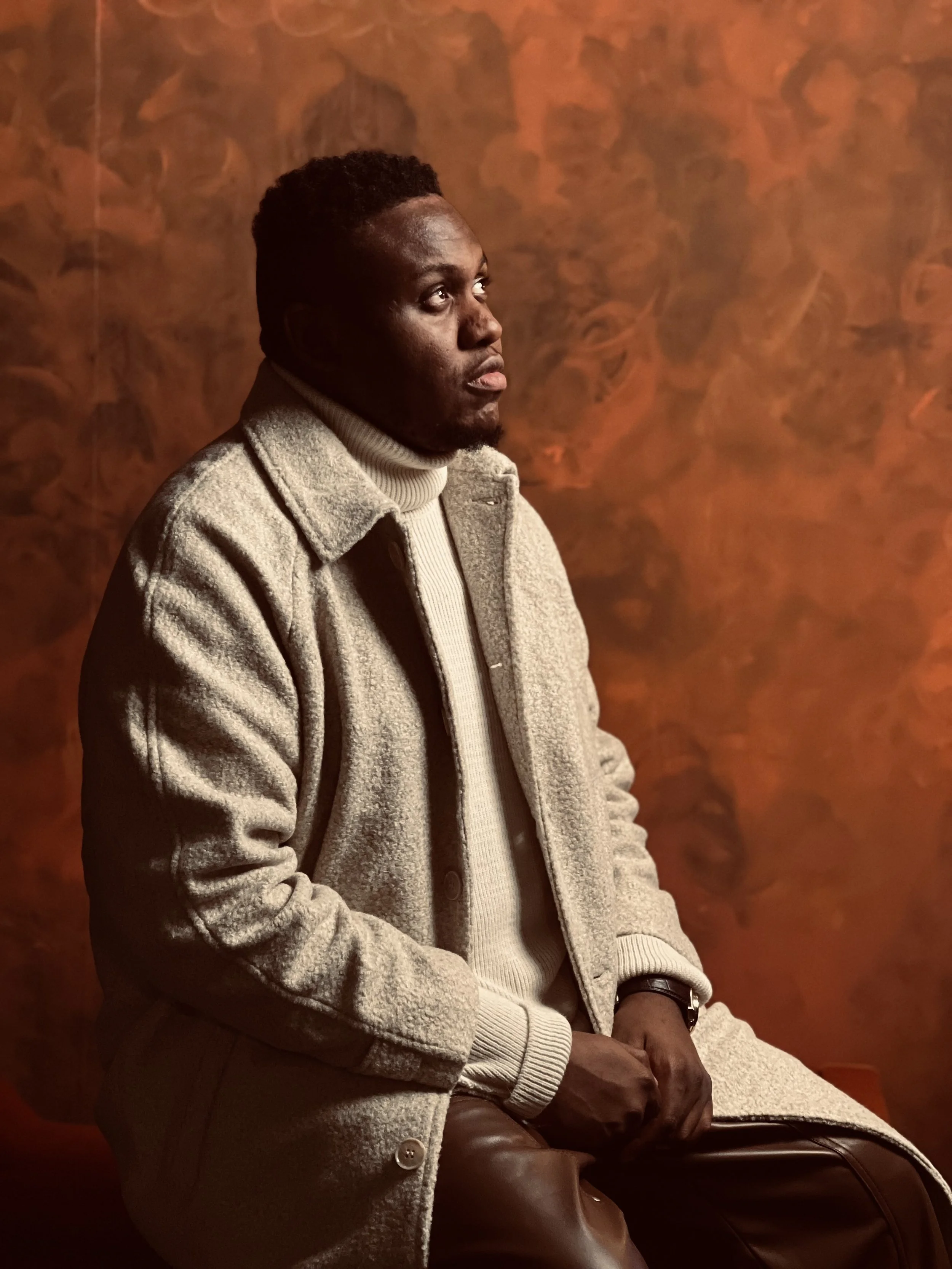
From Warri to worldwide playlists, Great Adamz brings Afrobeat, emotion, and energy to every record. With over eight million streams, collaborations with Manuel Riva, and dreams of working with Burna Boy, he shares laughs, lessons, and big ambitions in this fun Artist Spotlight Q and A for curious music lovers.
Your new single Umada with Manuel Riva blends Afro House and European melodic dance. How did this exciting collaboration happen?
This was such an amazing collaboration for me personally I loved working with Manuel the chemistry was unique and it’s something have never done before so I enjoyed creating something different
You mentioned that Umada challenged you as an artist. What was the most fun or unexpected part of that challenge?
For me, the most fun and unexpected part was stepping into Manuel Riva’s world and still being able to sound like me. Manuel comes from a big electronic and dance background, so the challenge was finding that sweet spot where Afrobeats, emotion, and energy could live comfortably on a dance record.
. That process pushed me creatively, and honestly, that’s what made “Umada” special and fun at the same time.
What emotions or vibes do you hope people feel when they listen to Umada on repeat with friends or on a road trip?
I want Umada to feel like pure freedom. That moment when you’re in the car with your people, windows down, volume up, and life just feels good. It’s got that feel-good energy, but there’s also emotion in it — joy, connection, and that carefree confidence you get when you’re present in the moment.
Whether you’re on a road trip, at a party, or just vibing with friends, I want the song to make people feel happy, uplifted, and unstoppable. It’s one of those records you don’t just listen to once — you press repeat because it matches the mood and keeps the energy alive.
Your voice has been described as rich and expressive. How do you approach making each track feel personal and alive?
For me, it always starts with honesty. I treat every song like a conversation, not just a performance. I try to tap into real emotions and real experiences, even if the record is upbeat or meant for the dancefloor. If I don’t feel it myself, I know the listener won’t feel it either.
In the studio, I focus a lot on delivery — how I pronounce words, where I breathe, where I let the emotion sit. Sometimes it’s the little imperfections that make a song feel alive. I don’t chase perfection; I chase feeling. That’s how I make sure every track sounds personal and connects on a deeper level.
With Jeje topping Music Week’s Black Music Chart, how does it feel to see your music connecting with so many fans?
Am so grateful for my fans honestly I was told a few minutes go that my headline show on 14th of Feb is now completely sold out
This is the biggest space have done all my career and to sell out a wee To the show is a little bit crazy to me.
But talking about black music charts
Honestly, it feels surreal and very humbling. Seeing Jeje top Music Week’s Black Music Chart lets me know that the music is really reaching people, and that’s always the goal. I make music from the heart, so when fans connect with it on that level, it means everything to me.
It’s also a big motivation. Moments like that remind me why I started — to share my sound, my culture, and my emotions with the world. I’m grateful to everyone streaming, supporting, and believing in the journey. It pushes me to keep growing and to keep giving people music that feels good and real.
You’ve performed on the BBC Introducing Stage at Latitude Festival. What was going through your mind when the crowd went wild?
When that crowd went wild… honestly, it felt surreal.
In that moment, I remember thinking, wow — all those late nights, all the graft, all the sacrifices — this is why. My heart was pounding, but in the best way. I felt proud, grateful, and locked in all at once. It wasn’t nerves anymore — it was fuel.
I looked out and saw people vibing to songs that came from real-life stories, from my journey, and that hit me deep. I was like, yeah, this is bigger than me now. I just wanted to give them everything I had — energy, emotion, authenticity.
It was one of those moments where time slows down, and you realise you’re exactly where you’re meant to be. Pure love. Pure blessings.
Being part of the MOBO Unsung alumni and working with artists like Crae Wolf and Zitah must have been inspiring. What did you take away from that experience?
Ah man, being part of the MOBO Unsung alumni was next level for me. It wasn’t just about exposure — it was about learning the craft and the business at the same time. Seeing other artists grind, hearing their stories, feeling their energy… it lit a fire in me.
Working with artists like Crae Wolf and Zitah taught me a lot about discipline and vision.The biggest takeaway? Consistency and authenticity win. Talent is important, but showing up, putting in the work, and staying true to who you are—that’s what sets you apart. That experience shaped not just my music, but the way I approach life and the industry.
Blessed Boy has now surpassed 5 million streams. How do you celebrate these milestones and keep the energy flowing?
Well blessed boy overall streams now is just over 8 million streams with audio Mack alone on 5.5.5million streams. Hitting 8 million streams for Blessed Boy on — that’s surreal! Honestly, I don’t sit and celebrate with champagne or anything fancy (though I wouldn’t say no ). For me, celebrating is more about reflection and gratitude. I take a moment to think about the journey: the studio nights, the sacrifices, the fans who’ve vibed with me from day one. That’s the real celebration.
Then, I channel that energy into the next move. I keep the momentum flowing by staying creative and curious — writing new music, experimenting with sounds, collaborating with other artists. Every milestone is a reminder that people are listening, and that pushes me to level up constantly.
You grew up in Warri, Delta State, Nigeria. How does your hometown influence the way you tell stories through your music?
Growing up in Warri, Delta State, that place is in my blood — it’s raw, vibrant, and full of stories, and it definitely shapes how I tell my own. Warri is a city with so much character: the hustle, the culture, the everyday struggles, the celebrations — it all leaves an imprint. That energy seeps into my music, from the beats I choose to the way I structure my melodies and lyrics.
In Warri, everyone has a story, and people speak with passion and rhythm even in ordinary conversation. That taught me to listen deeply and translate real-life experiences into music that feels authentic and relatable. I want listeners to not just hear my songs but feel the textures of my life — the highs, the lows, the dreams, the grind — like they’re walking through Warri streets with me.
Even the language I use, the slang, the cadence — it’s all influenced by Warri. It gives my music identity and flavor. For me, every track is a little postcard from home, but with a vibe that anyone, anywhere can connect to.
One of my biggest songs Kilon So features Erigga paperboi who is also from Warri and we have that Waff city connection
Afrobeat fans love that you balance grooves with storytelling. How do you decide which story to tell in a song?
For me, it always starts with what’s real in that moment. I don’t force a story; I let it come from what I’m feeling, what I’ve lived, or what I’ve seen around me. Sometimes it’s a personal experience — love, heartbreak, ambition — other times it’s inspired by people in my community, friends, or even strangers whose stories stuck with me.
Once I have that spark, I think about how it will connect with the listener. Afrobeat is about movement, energy, and joy, but I also want my songs to resonate emotionally. So I ask myself: can this groove make someone dance and feel something? Can they see themselves in this story?
Honestly, the best stories come when I’m authentic and unfiltered. Fans can feel it when a song is forced, but they can also feel it when it’s pure heart, straight from Warri to the world.
Working with Manuel Riva brought out a new versatile range in your vocals. Do you see yourself experimenting with more global collaborations in the future?
Absolutely! Working with Manuel Riva was eye-opening — it pushed me out of my comfort zone and made me realise just how versatile my voice can be. When you collaborate with artists from different parts of the world, you’re forced to adapt, learn, and blend styles, and that challenge really sparks creativity.
I definitely see myself doing more global collaborations. I love the idea of mixing Afrobeat with house, pop, R&B, or even Latin sounds — it keeps my music fresh and introduces my story to new audiences.
For me, collaboration isn’t just about fame or streams; it’s about growth and connection. Every artist I work with teaches me something new — a way to approach melody, rhythm, storytelling, even performance. So yes, the plan is to keep exploring, keep experimenting, and keep blending cultures through sound.
You’ve earned accolades like Golden Star Artist of the Year and the DAC Special Recognition Award in Music. Which recognition felt the most surprising or special?
They all feel amazing and truly humbling and motivating at the same time. That moment made me pause, reflect, and feel grateful for everyone who believed in me, from my family to my fans to the mentors who guided me. It’s the kind of recognition that doesn’t just feel like a trophy — it feels like a checkpoint on a lifelong journey, pushing me to aim even higher.
Your tracks like Kilon So and Blessed Boy have become fan favorites. Is there one song that surprises even you when the crowd sings along?
Fantastic is one record that I always get shocked how crowd react to it has a special place in the UK they love that track everywhere I go.
You’ve gained support from international DJs and playlists. How does it feel knowing your music reaches across continents?
Honestly, it’s a humbling feeling. Sometimes I sit back and think, I started this journey in Warri, and now my music is being played in places I’ve never even been to. That alone is powerful.
Knowing that international DJs are spinning my records and playlists across different continents are supporting the music makes me feel seen and encouraged. It tells me the sound is universal — that rhythm, emotion, and storytelling don’t need borders. Whether someone is listening in Africa, Europe, or beyond, the vibe still connects.
It also comes with a sense of responsibility. I want to keep representing Afrobeat and my roots the right way while still pushing the sound forward. Every time a DJ or playlist picks up my track, it motivates me to go harder, stay consistent, and keep delivering music that people everywhere can feel.
At the end of the day, it’s just gratitude. To know my voice can travel further than I ever imagined — that’s a blessing I don’t take lightly.
Looking ahead, what is one dream project or collaboration that would make 2026 unforgettable for Great Adamz?
Man, looking ahead to 2026, there’s one dream project that’s been at the top of my mind: a collaboration with Burna Boy.
Not just because he’s massive — although that’s amazing — but because his energy, storytelling, and global reach align with the vibe I want to bring. I feel like our sounds could mesh perfectly: Afrobeat grooves, high energy, and lyrics that carry a story people can feel. It would be a project that pushes me creatively while also introducing my music to even more fans worldwide.
Beyond that, I’d love to experiment with a cross-genre EP — blending Afrobeat with elements of Latin, House, and even Afro-R&B. Something that still stays true to my roots in Warri but speaks to a global audience.
If that happens in 2026, I know it’ll be a year I’ll never forget — milestones, growth, and music that truly connects across borders.